EV Accessories
What if Every Car Were Self-Driving? An 80% Drop in Accidents
94% of crashes are caused by human error. If every car on the road were self-driving and communicating, the NHTSA estimates accidents would drop 80-90%. The irony is we're arguing about whether the technology is perfect while a million people die every year.
Ninety four percent of car crashes are caused by human error. That’s not a statistic from an advocacy group — it’s from the National Highway Traffic Safety Administration, the same agency that regulates vehicle safety in the United States.
Humans looking at phones. Humans running red lights. Humans misjudging a turn. Humans driving tired. The weakest link in the safety chain is, and always has been, the person behind the wheel.
The Numbers Don’t Lie
A Tesla operating on Full Self-Driving gets into a fender bender roughly once every 5 million miles. The average human driver in the United States gets into an accident roughly once every 500,000 miles.
That’s a 10x improvement before we even account for what happens when every car on the road is self-driving and communicating with every other car in real time.
According to NHTSA estimates, a fully autonomous fleet — where every vehicle is self-driving, networked, and communicating — would reduce total accidents by 80 to 90 percent.
The Irony
The news runs every minor fender bender involving a car with a sensor suite on the roof as a headline. FSD grazes a curb? National news. A Waymo taps a parked car? Front page.
Meanwhile, the same outlets run the overnight highway fatality count — 100+ deaths per day in the US alone — as a ticker at the bottom of the screen. A million people die worldwide in car crashes every year. The vast majority are preventable. The vast majority are caused by humans.
The Actual Question
The question isn’t whether self-driving cars are perfect. They aren’t. The question is whether they need to be. Because the alternative — 94% of crashes caused by human error — is a bar so low that an imperfect autonomous system clears it by a wide margin on day one.
A technology that eliminates 80-90% of traffic deaths isn’t something that needs to be perfect before it’s worth deploying. It’s something that should have been deployed yesterday.
— TechnoWonderboy
More EV Accessories picks
Tesla Roadster: Better Than the Concept After 9 Years
The production Tesla Roadster is finally real — and it's sharper, meaner, and more ridiculous than the 2017 concept. Oct 1 unveil, sub-2 second 0-60, SpaceX thrusters still on the spec sheet. Here's what we know.

Best Dash Cam for Tesla 2026 — With Real Night Footage
The built-in Sentry cams aren't enough. Michael tested dash cams in his 2018 Model S 100D — wiring, night video, app reliability, and the one that hides behind the mirror. Includes a spec comparison table.
Tesla Model S Accessories I Actually Bought for Sylvie
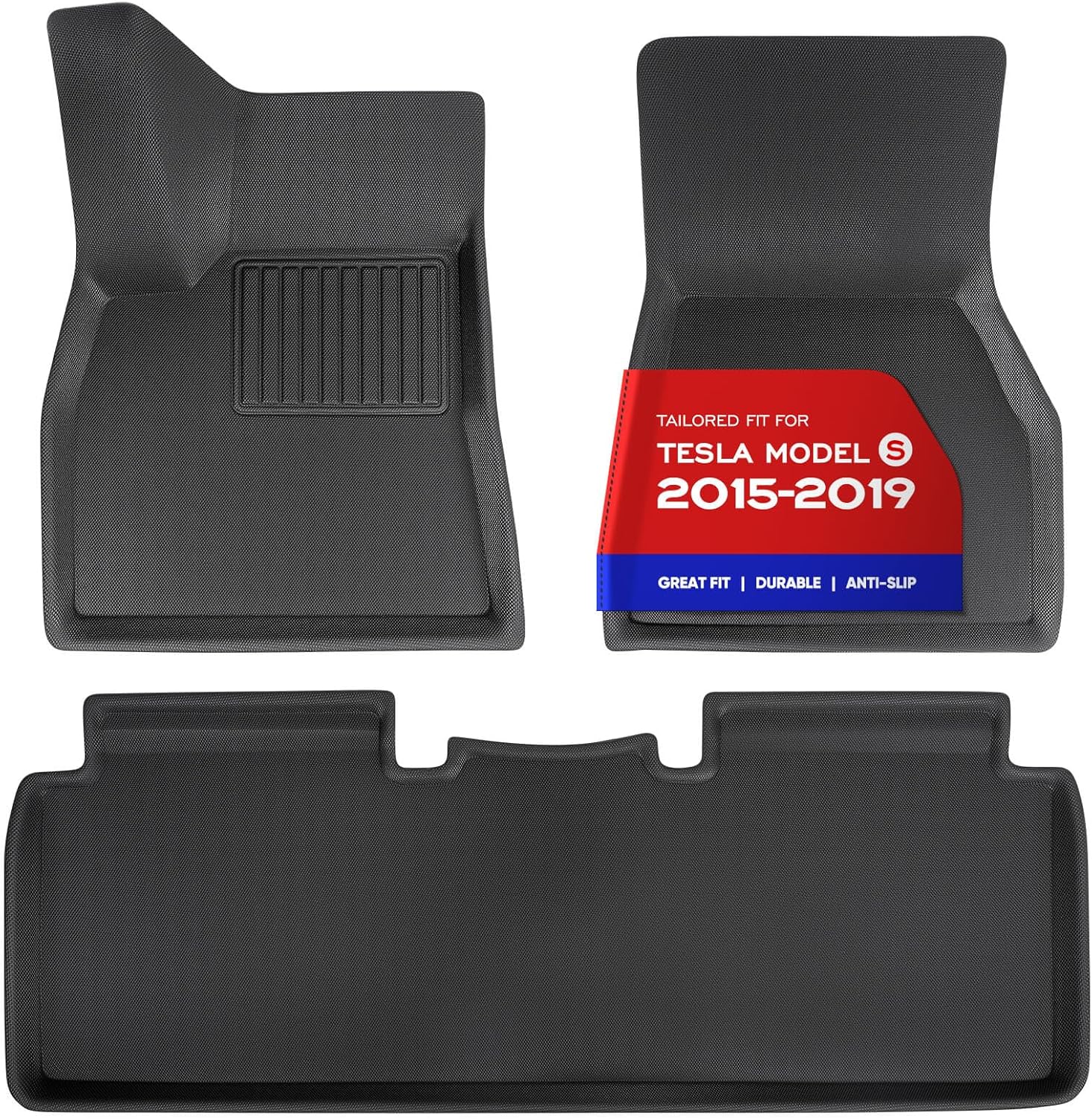
A year of real miles in a 2018 Model S 100D taught me what's worth your money and what's a scam. Floor mats, screen protector, dash cam, and more — tested, not guessed.
Never miss a pick
Join the list for new gear drops, honest test results, and what actually broke.
Subscribe on YouTube